Transformations through Radical Art Practice
Bhavani Esapathi, Anna Dumitriu
16th April 2025, 19:00
BCS Moorgate, London
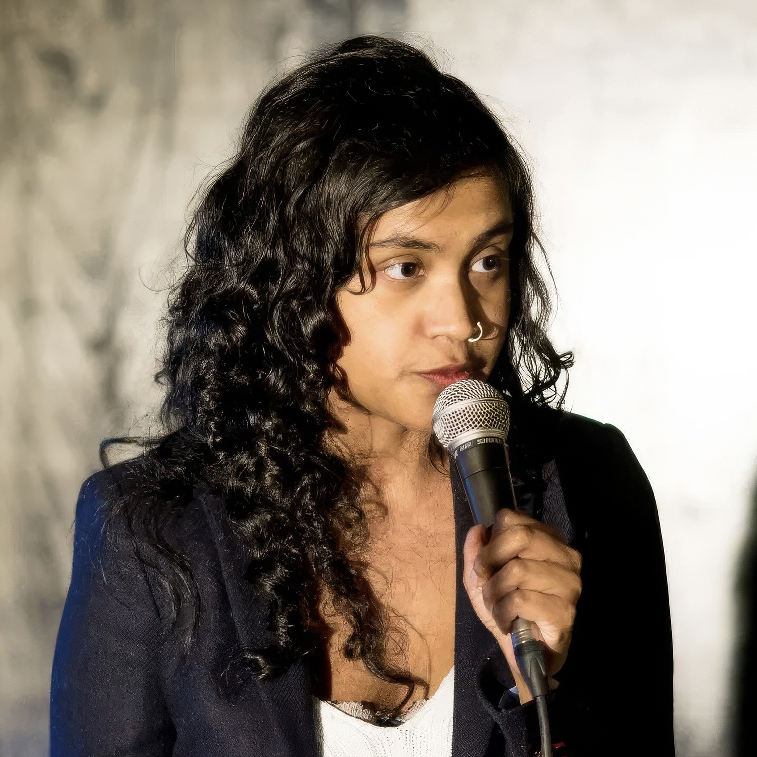
Bhavani Esapathi explores how radical art practice can transform attitudes towards chronic illness, invisible disability, migration and environmental inequality. Drawing on a decade of creative projects, she examines storytelling, technology and lived experience, asking how artists choose subjects, challenge institutional assumptions and open conversations about political and social change today.
AI Generated Summary
Video Recording
Bhavani Esapathi explores radical practice through projects grounded in chronic illness, migration, medical encounters and environmental inequality. Rather than claim novelty for its own sake, she asks how art exposes experiences and assumptions that established systems overlook. Sculptural and audiovisual works make invisible conditions tangible, presenting scars and bodily processes while inviting questions normally excluded from polite conversation. A collaboration with neurobiology researchers shifts attention from experimental substances to the care scientists give cells, asking how that attentiveness might improve relationships with patients. Narrative frameworks developed with communities seek to identify needs rather than impose institutional priorities. Her investigation of microplastics expands from everyday materials to the unequal consequences of exported waste, challenging research that centres affluent countries while leaving affected populations underrepresented. Debates around climate refugees reveal tensions between recognition, colonial responsibility and people’s desire to remain safely where they live. She also examines how generated images misrepresent displacement and considers ways to change those visual narratives. Discussion returns to digital access, storytelling and ableism: online participation enables relationships and creative work that workplaces and studios restrict. Throughout, Esapathi treats lived experience as a source of enquiry, using artistic methods to open conversations that formal evidence requirements can close.
AI Generated Summary
About the Event
Bhavani Esapathi discussed her artistic practice which responds to current political and social landscapes focussing on the impacts of climate change and pollution on health, invisible disabilities and chronic illness, and the concept of climate refugees. This often means contending with both institutional and personal pressures that comes with being a disabled, migrant woman of colour.
From beginning to make art when invisible disability was not a common term to delving into the notion of climate refugees today, a term brimming with contentions. Her talk addressed questions including what role can art play in helping us better understand the evolving world around us? How can a radical art practice transform attitudes in a positive way? And what is the process behind selecting subjects for art making? Bhavani Esapathi went through a decade’s worth of creative pursuits and unpicked what worked and what didn’t and the role of technology in art making today.
About the Speaker
Bhavani Esapathi
About the Host
Anna Dumitriu