Annual Jasia Reichardt Lecture 2026
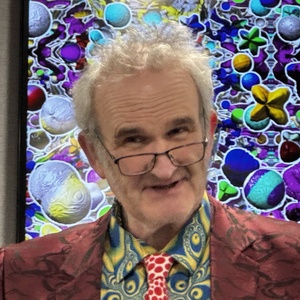
William Latham
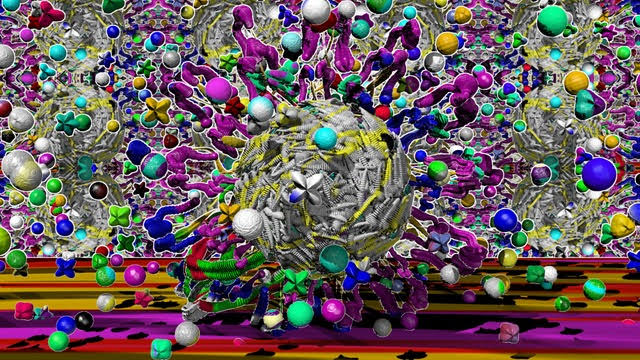
Atomic Cluster — William Latham, 2025
21st January 2026, 18:00
BCS Moorgate, London
William Latham traces his evolutionary art from hand-drawn FormSynth systems to Mutator and FormGrow, developed with Stephen Todd at IBM. He explores immersive organic worlds, virtual reality and recent collaborations with Google DeepMind, examining how artificial intelligence can guide evolutionary processes and reshape creative selection, artistic control and computational experimentation.
AI Generated Summary
Video Recording
William Latham traces his practice through the idea of alternative evolution, connecting early drawings, computational sculpture, scientific visualisation and artificial intelligence. Introduced by Bronac Ferran, he describes how evolutionary trees transform geometric primitives through rules, initially using his imagination to calculate the results. His collaboration with IBM translates these procedures into software, developing organic grammars and Mutator, where an artist repeatedly selects and breeds variants. He characterises this role as gardening within a vast space of possible forms. Latham follows the work into rave graphics, computer games, virtual reality and molecular visualisation, explaining how collaborations and changing hardware reshape its possibilities. Fantasy viruses and mirrored compositions extend his interest in biological structures without representing organisms. Recent experiments with Google DeepMind connect Mutator to Gemini, which scores successive generations against prompts such as chickens or fly heads, replacing the human selector. He distinguishes this targeted evolution from proposed systems that change direction autonomously. Questions examine abstraction, physical sculpture, corporate ethics and artistic replaceability. Latham acknowledges that current AI selection evaluates a single viewpoint, not complete three-dimensional resemblance. He also considers whether the artwork resides in individual images or in the evolving software, and how creative control passes between people and machines.
AI Generated Summary
About the Event
For the 2026 Jasia Reichardt Lecture, William Latham will cover the history of his work. He will start with his early work as a student in the 1980s at the Royal College of Art where he developed his FormSynth hand-drawn evolutionary systems through to his later Mutator and FormGrow software developed at the IBM UK Scientific Centre in Winchester from 1987 to '93, where he began his long-term collaboration with mathematician Stephen Todd.
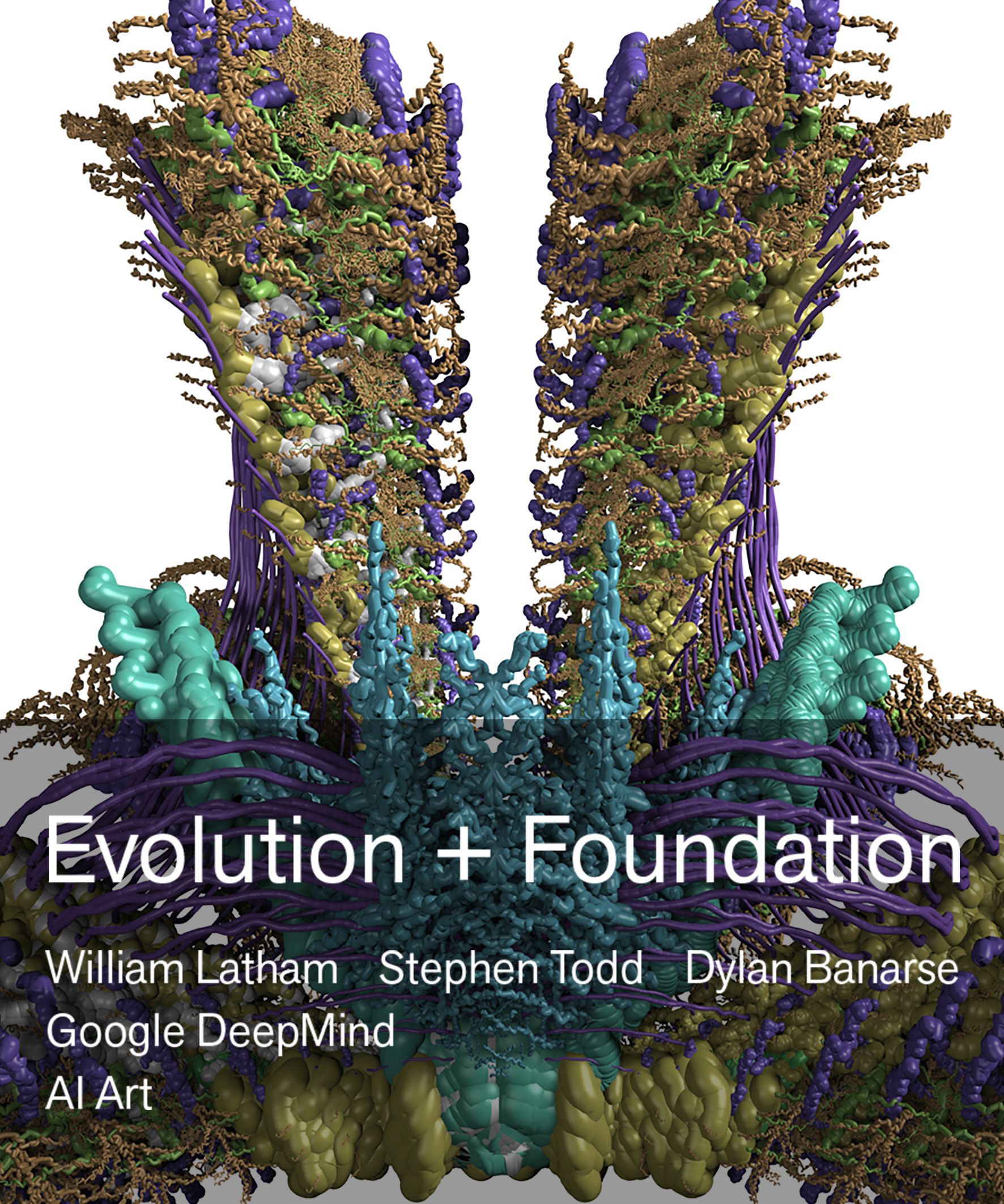
Together, they produced many of the images for which he is best known today using Mutator to create strange organic forms from an alternative evolution. He went on to work in VR, creating immersive organic worlds influenced by his ten years working in Rave Music and Games. His most recent work in collaboration with Google DeepMind entitled Evolution and Foundation AI uses AI to drive and steer the evolutionary process replacing the human selector with the computer. He will share insights and anecdotes from the journey so far and the people who have influenced him and address the challenges of harnessing evolutionary and AI processes for his creative goals.
The presentation will be followed by a reception and an opportunity to view the current CAS exhibitions. The event will be recorded and uploaded to the CAS YouTube Channel.
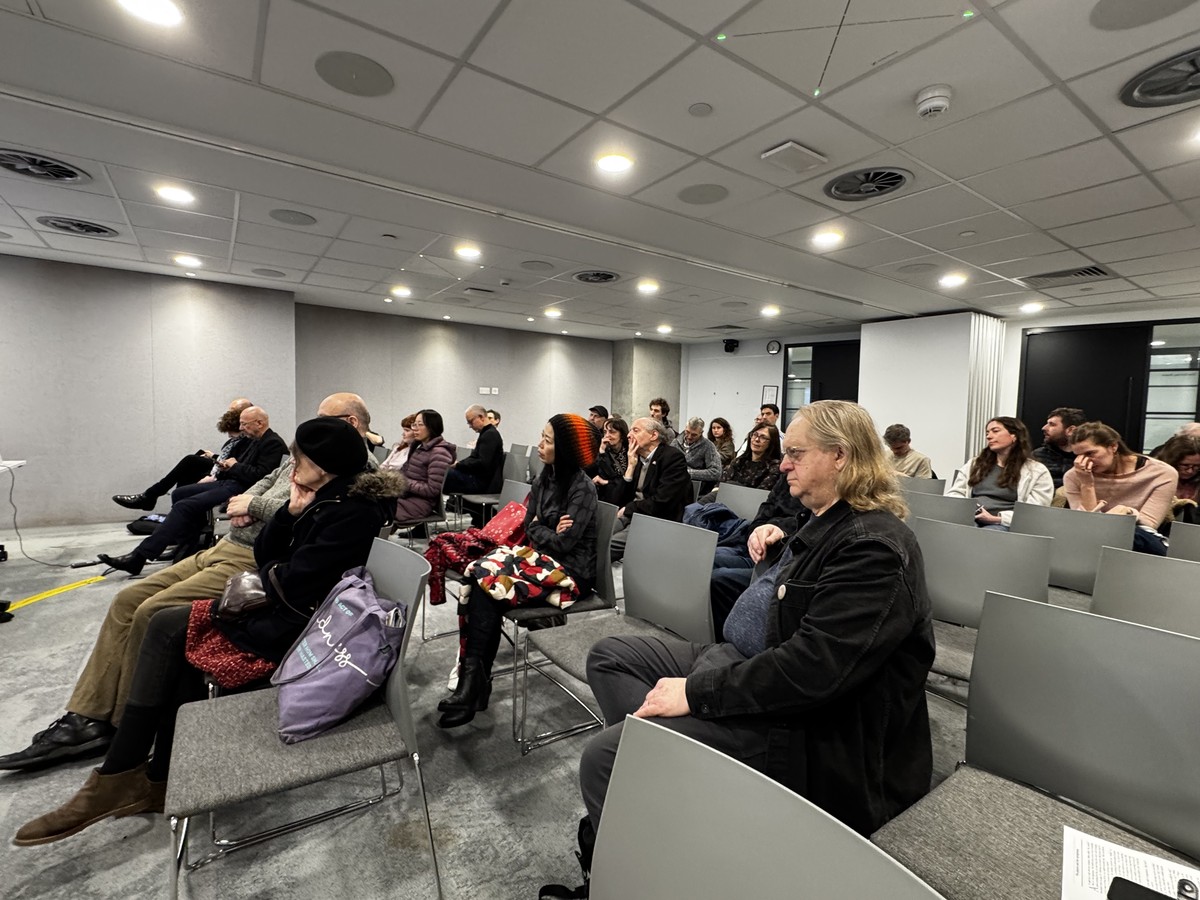
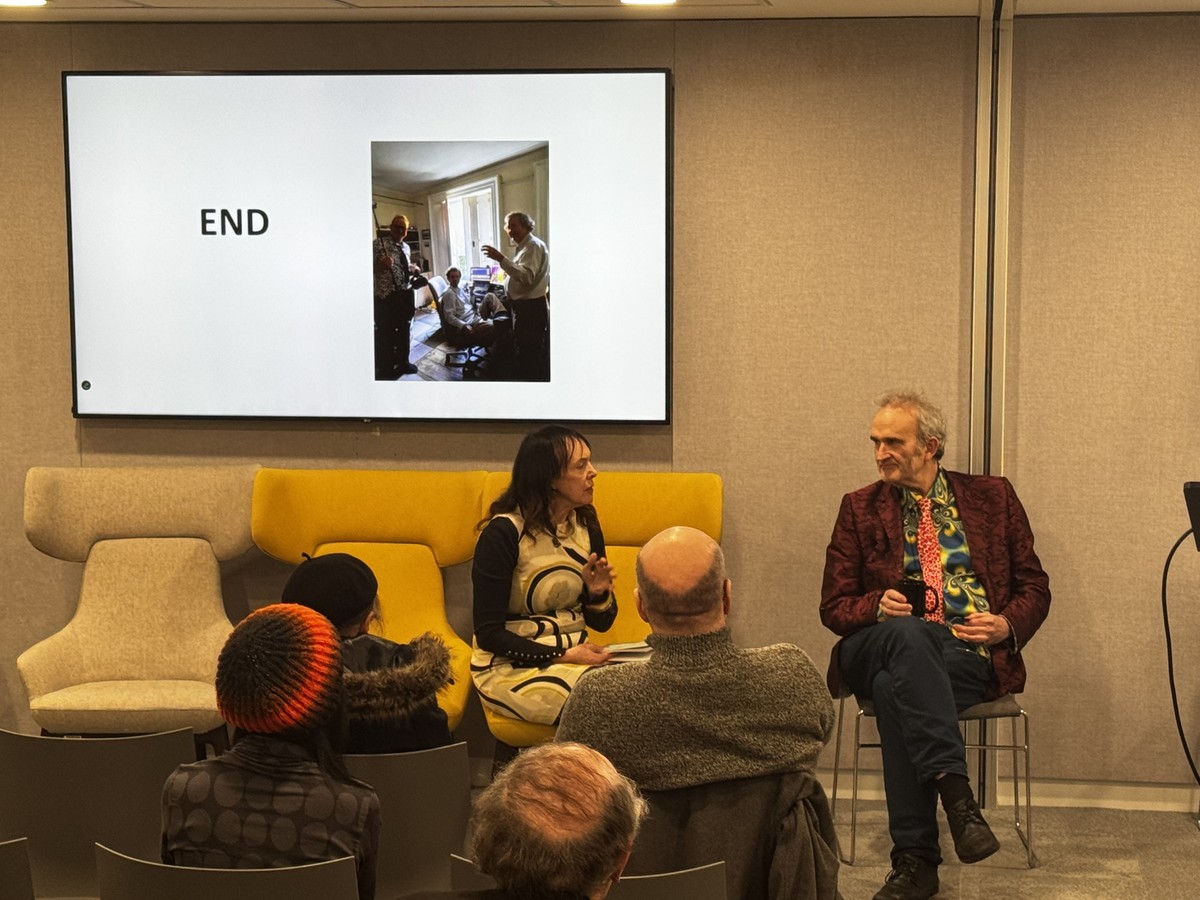
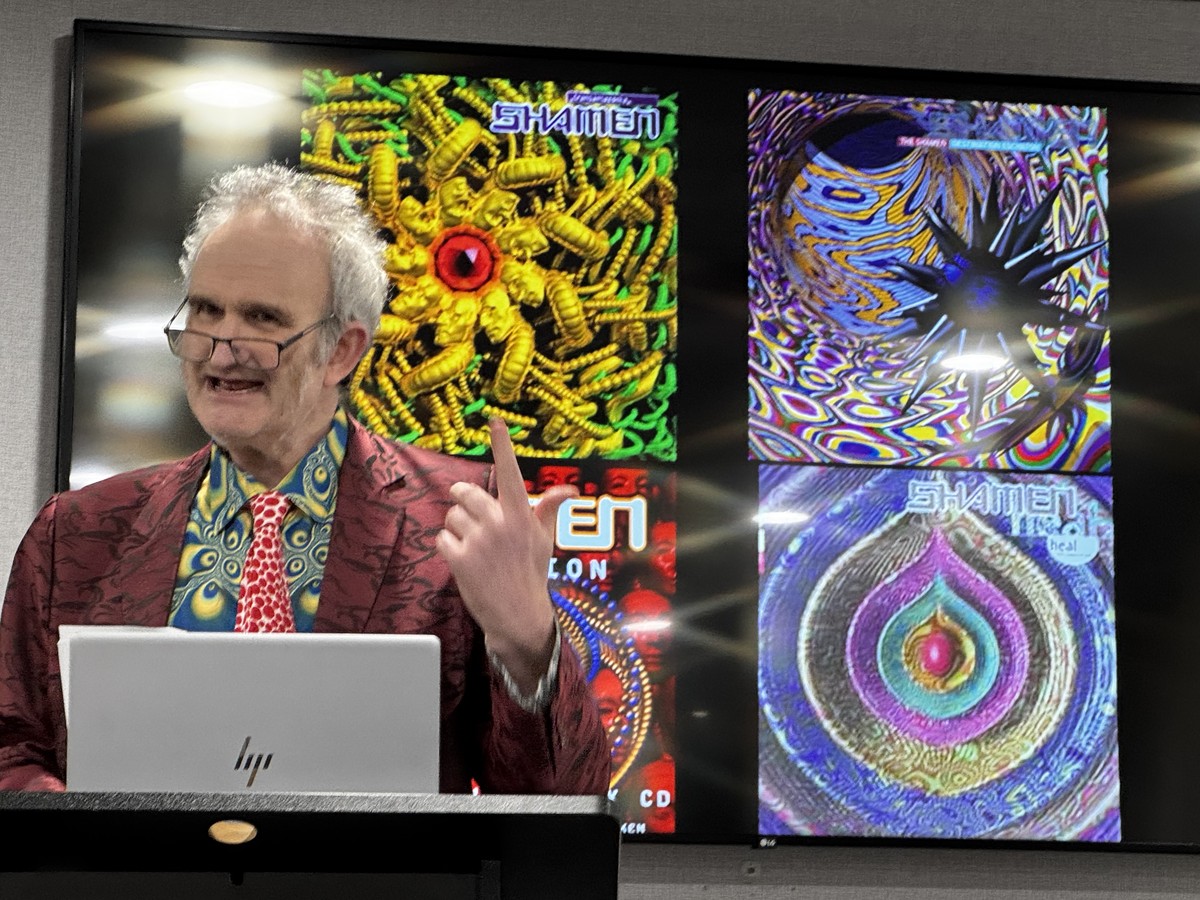
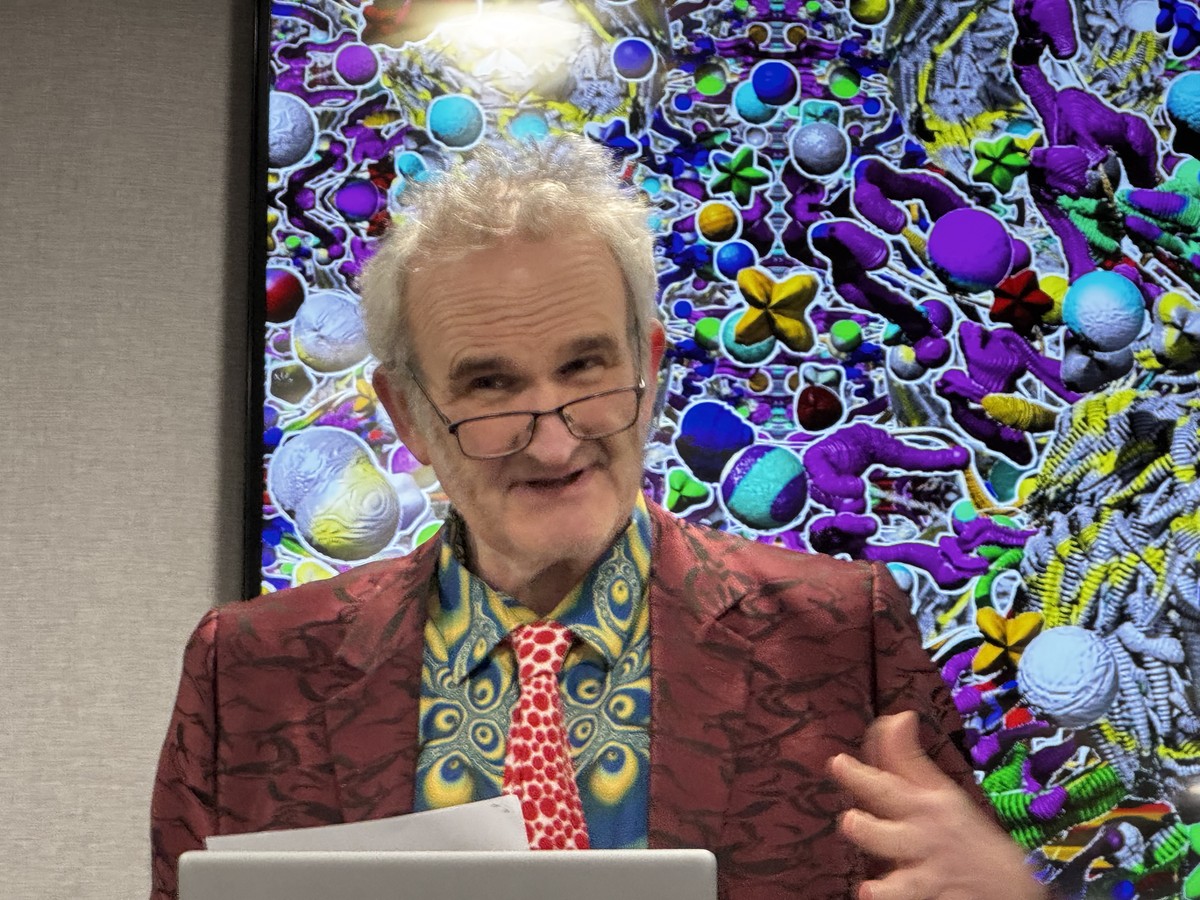
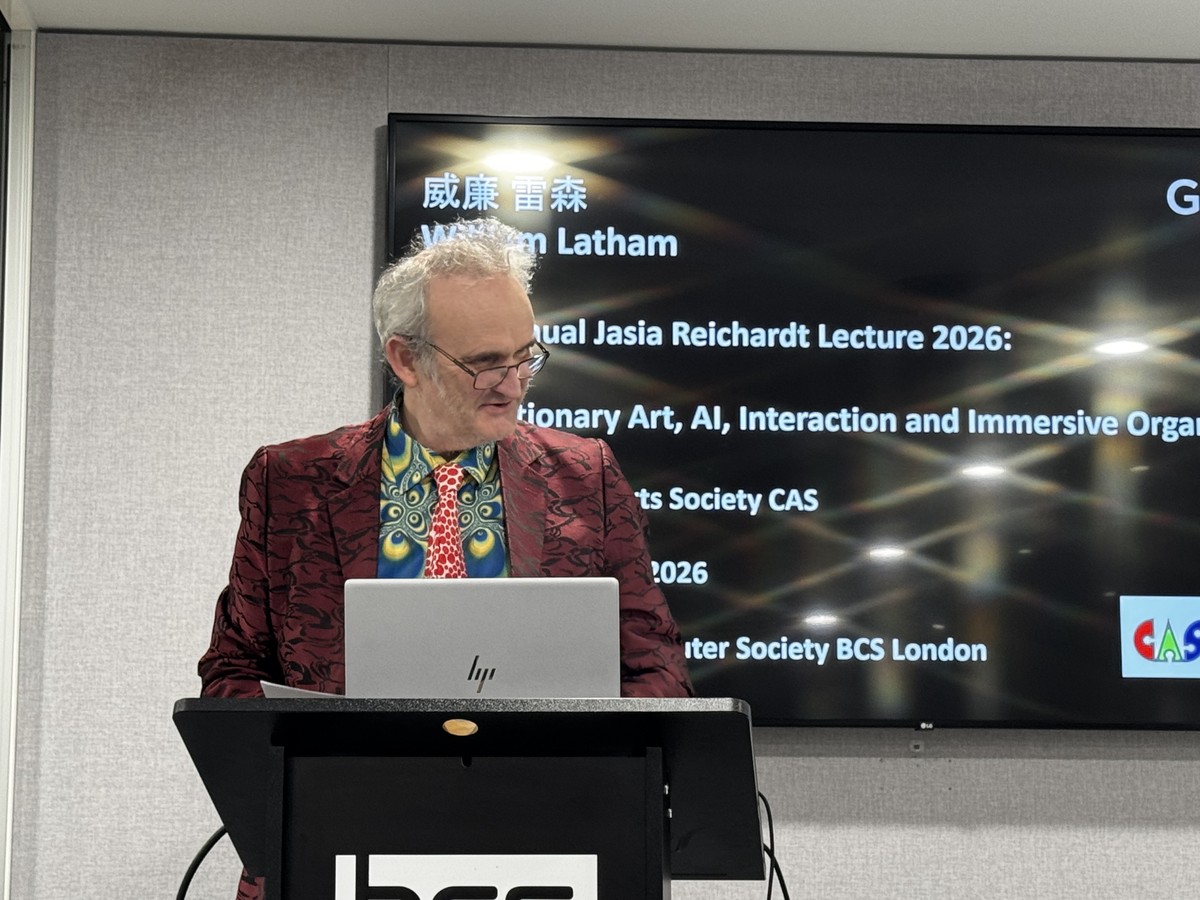
Photographs
-
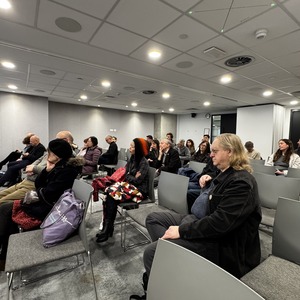
Photo: Sean Clark -
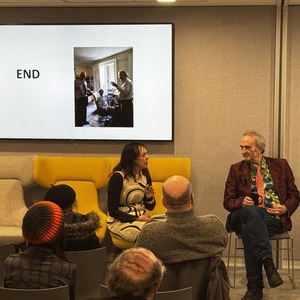
Photo: Sean Clark -
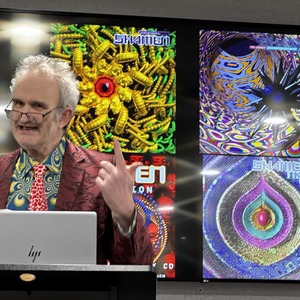
Photo: Sean Clark -
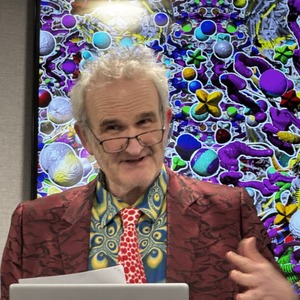
Photo: Sean Clark -
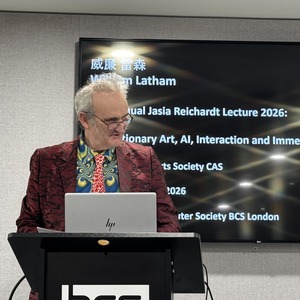
Photo: Sean Clark
About the Speaker
William Latham